Units & Lessons
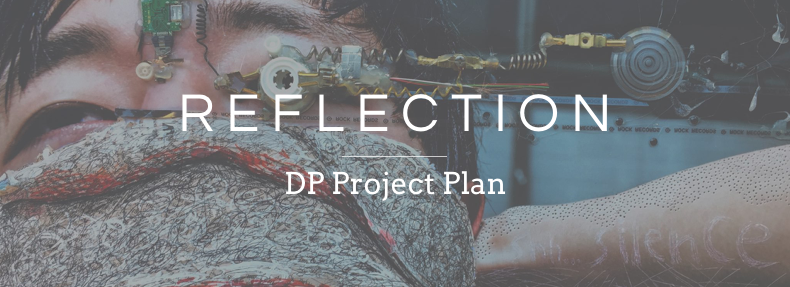
This unit introduced the independence of the DP program, as students worked at their own pace on the unit tasks, which included documenting process, media exploration, technical skill, contextual research, and reflection.
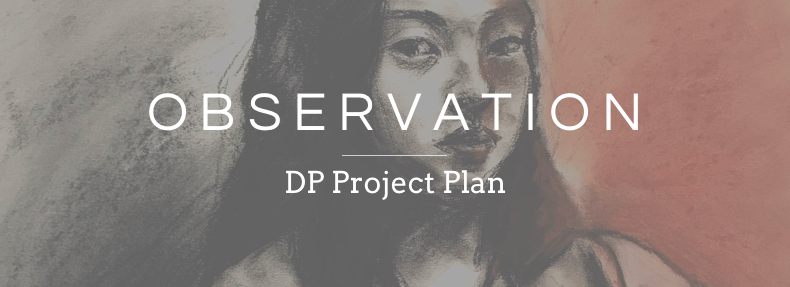
While utilizing observational techniques and reflecting on their skills, students explore a variety of two-dimensional materials while drawing from still lives, environments, and the human form.
|
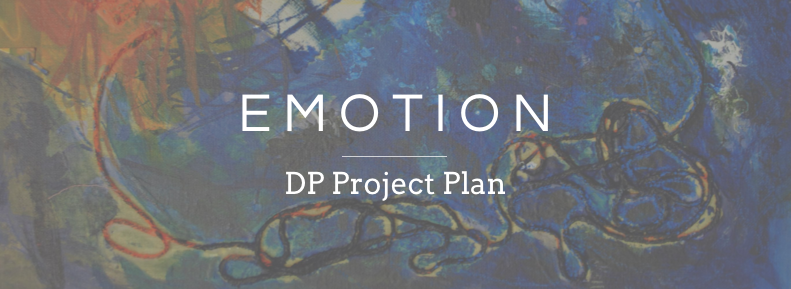
In the creation of an abstract painting inspired by an emotion, students researched inspirational painters, explored a variety of mixed media materials, reflected on their process, and developed a strong conceptual intention.
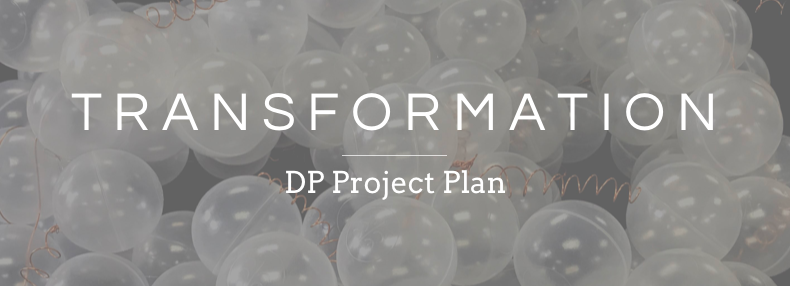
As an explorations of abstract art, students research a variety of Modern artists, document their experimentations, and create sculptures from 100+ of the same found objects,
|

Through the creation of a cardboard sculpture designed to be an imaginary creature, students will learn that recycled materials can be transformed into wearable art.
|
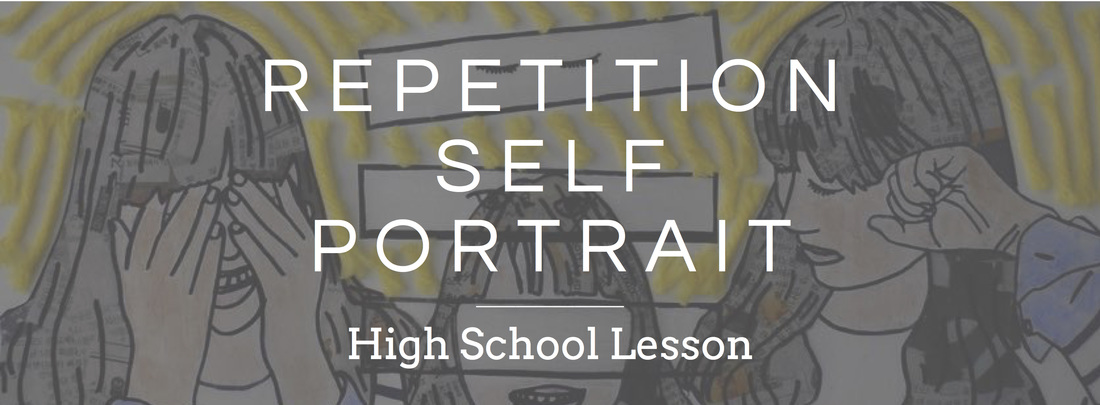
Through the creation of a repeated self portrait with layers of mixed media materials, students will learn that repetition can inspire pattern and movement within a composition.
|
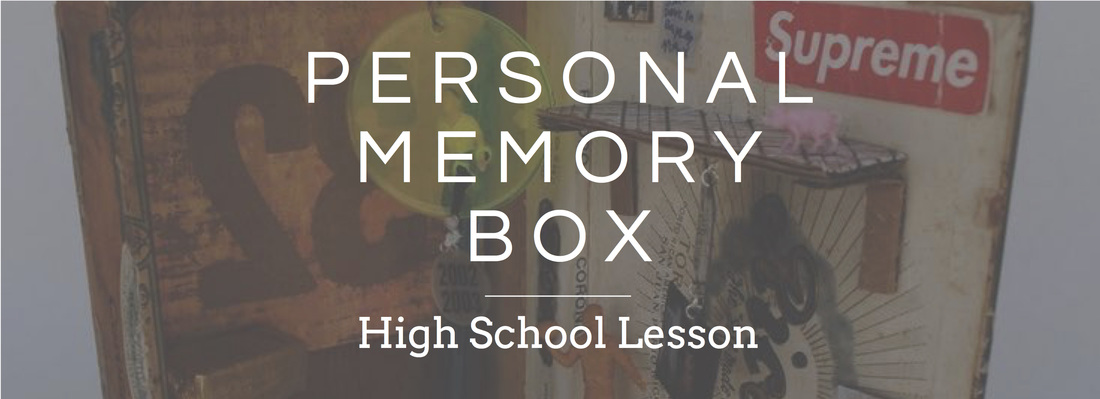
Through creating a personal altar or memory box using found objects and hand-sculpted forms, students will learn that a collection of objects can represent symbolic and personal meaning.
|

Through the creation of a series of photographs, students will learn
that a variety of images exhibited together can tell a story. |
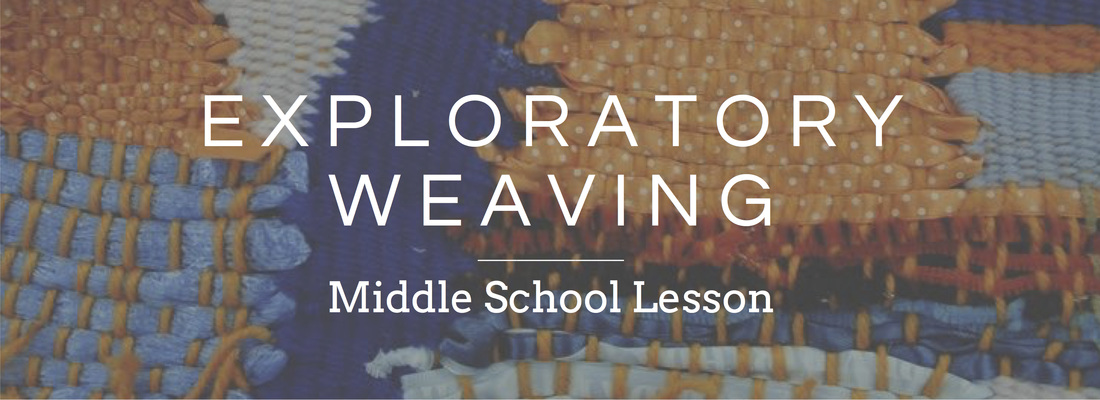
Through the exploration of fiber art materials woven on a cardboard loom, students will learn that these materials can be selected and combined in the creation of a weaving design.
|
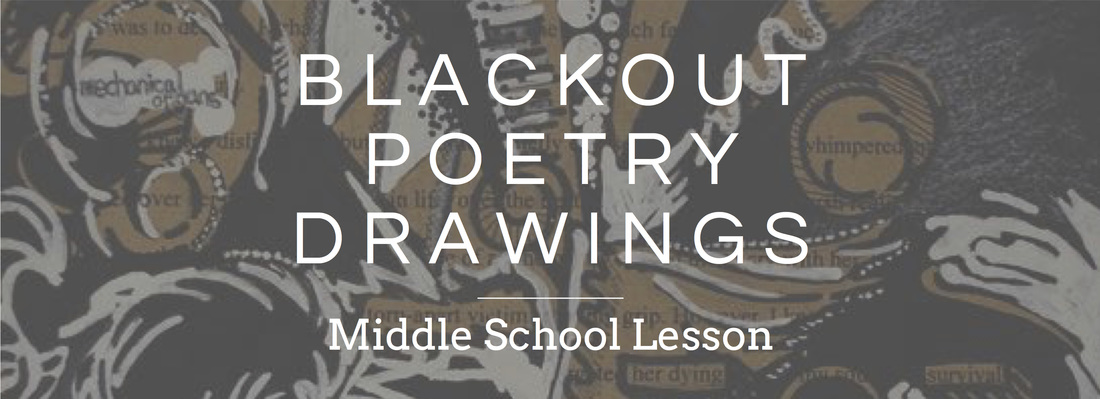
Through the visual deconstruction and recreation of printed poem,
students will learn that words can inspire visual imagery. |
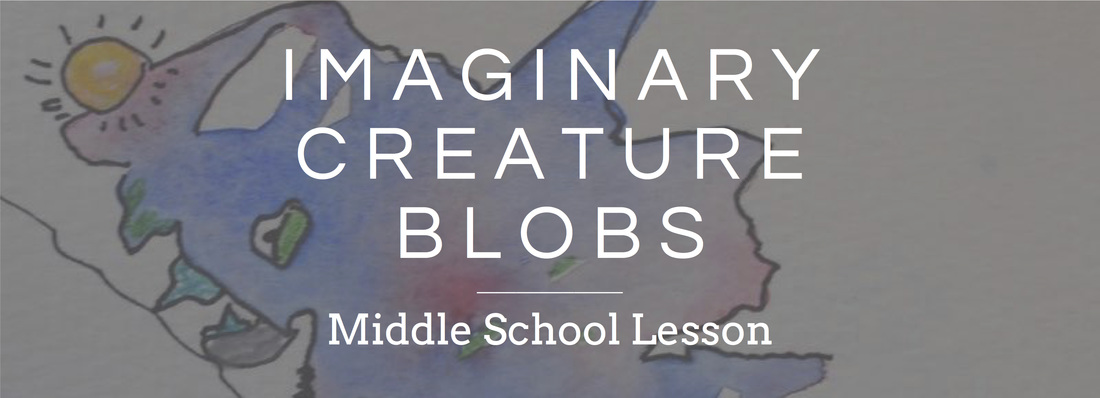
Through the exploration of watercolor transformed into representations with drawing media, students will learn the materials can be combined in the creation of a new form.
|
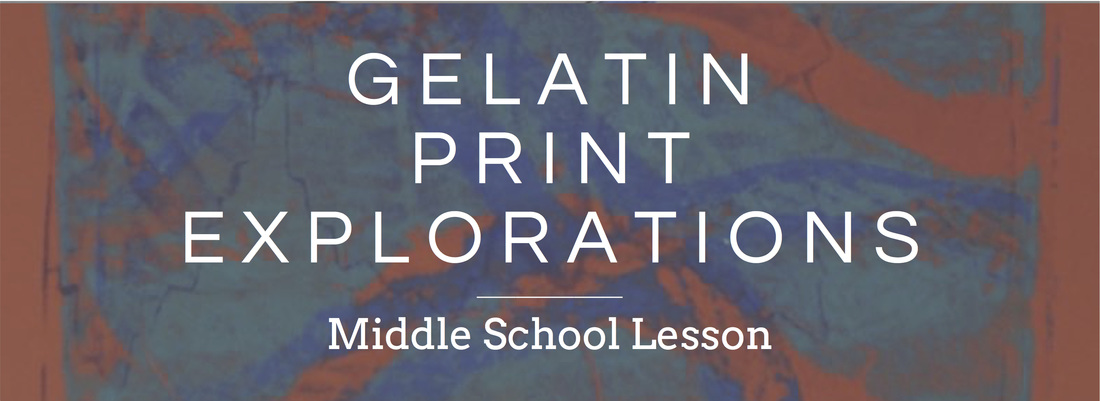
Through the exploration of the qualities of gelatin prints, students will learn that by selecting and combining textures they can create multiple, unique monoprints.
|